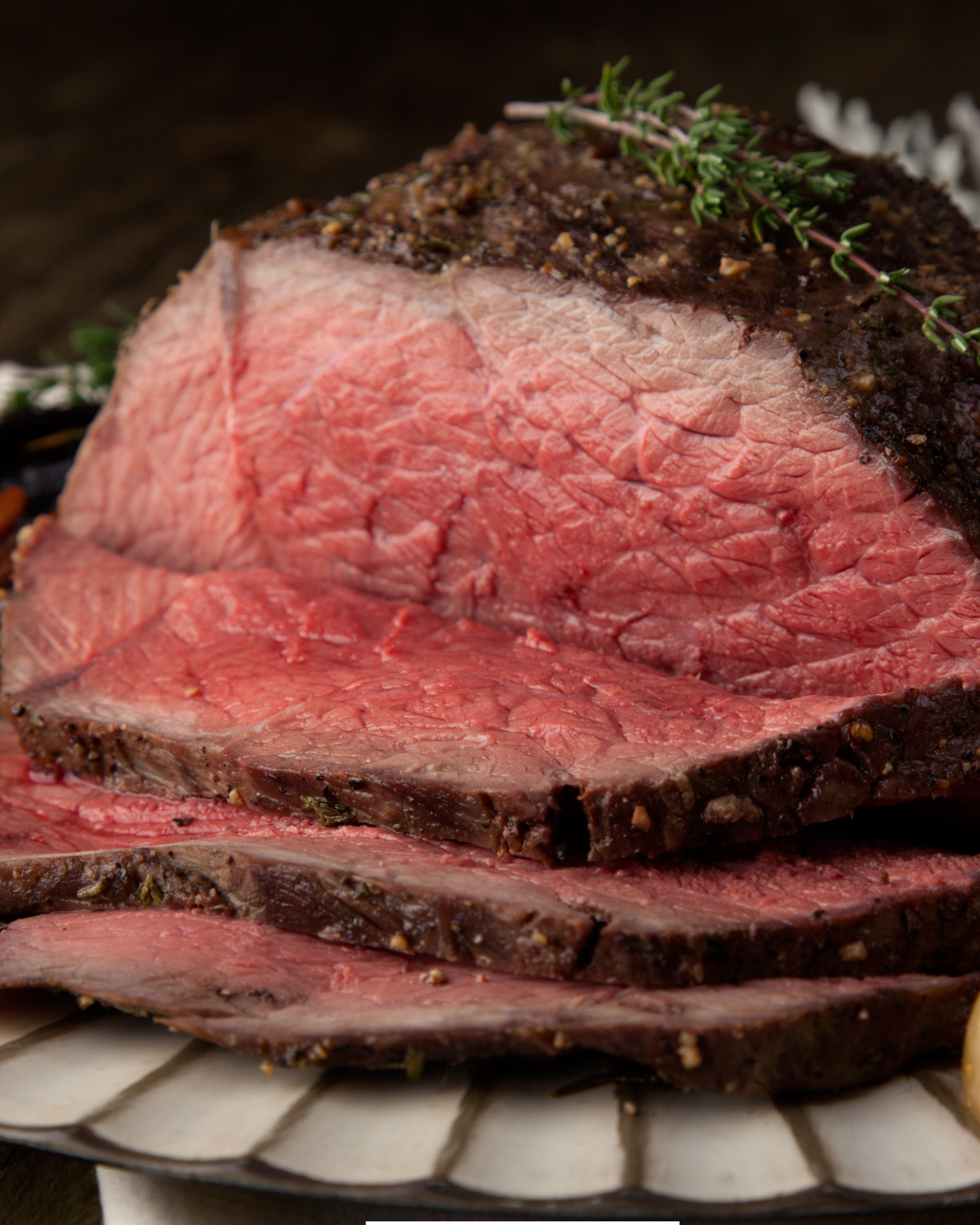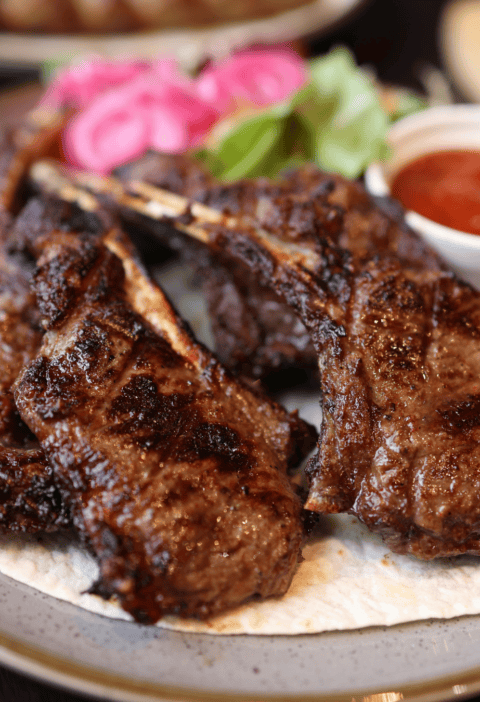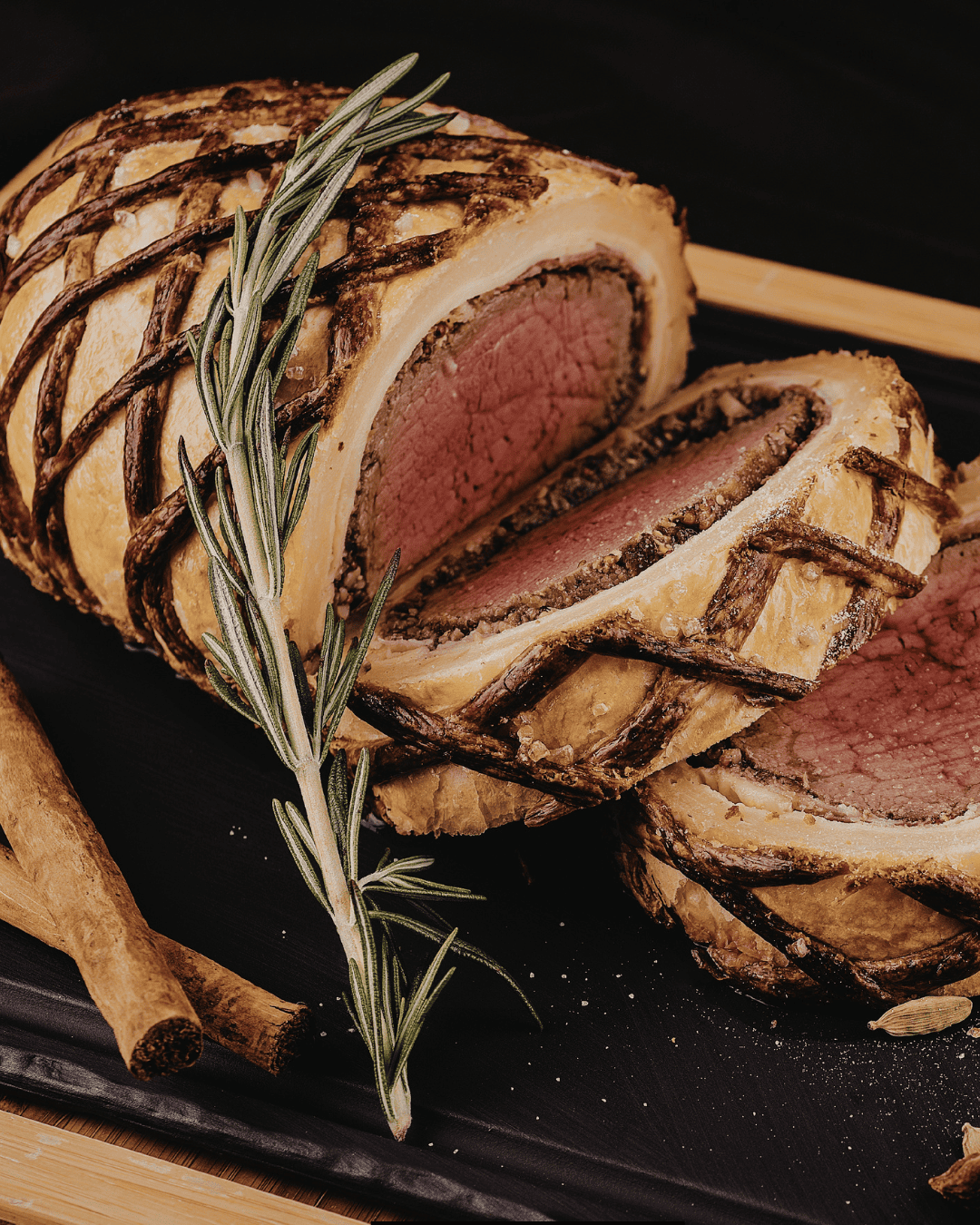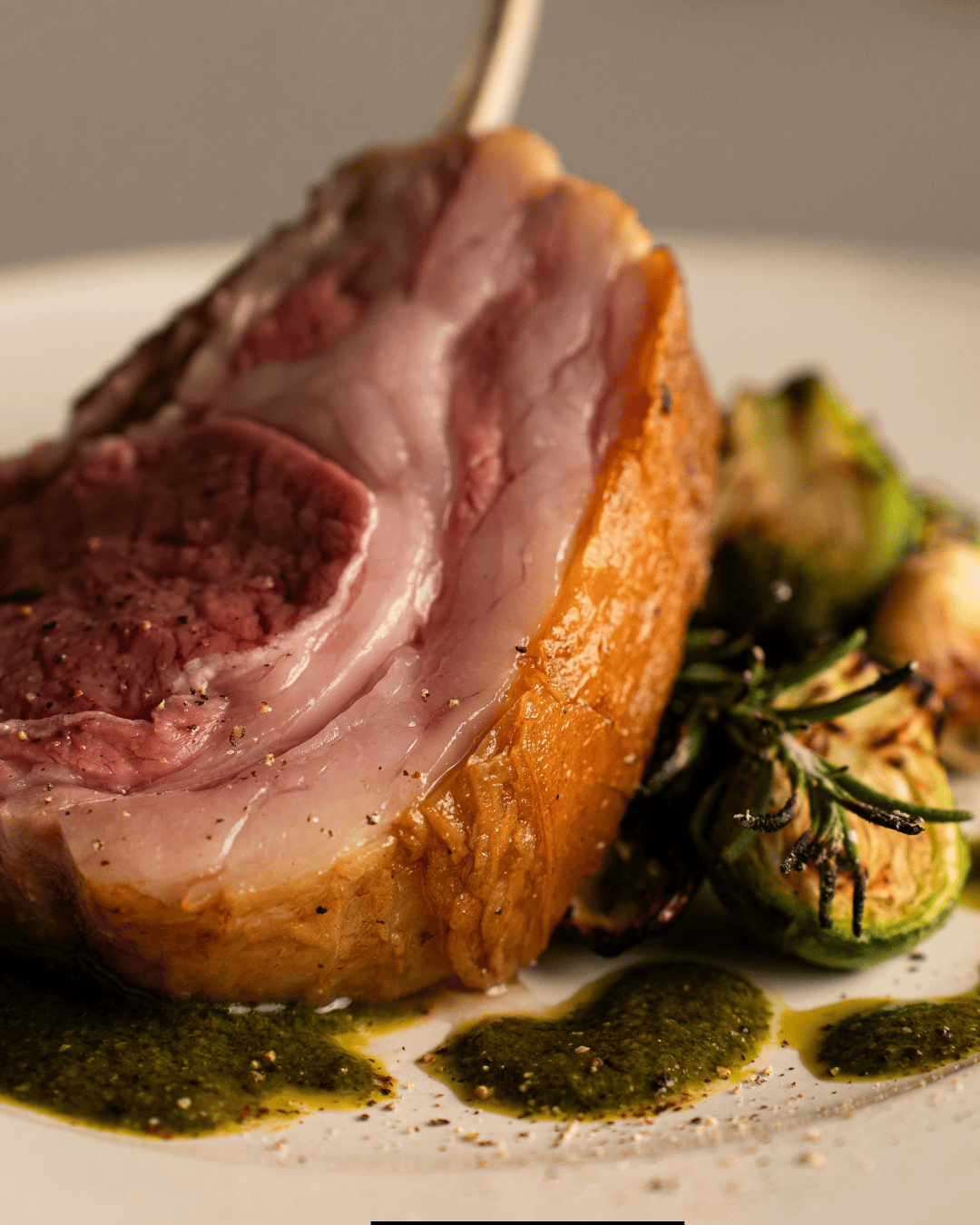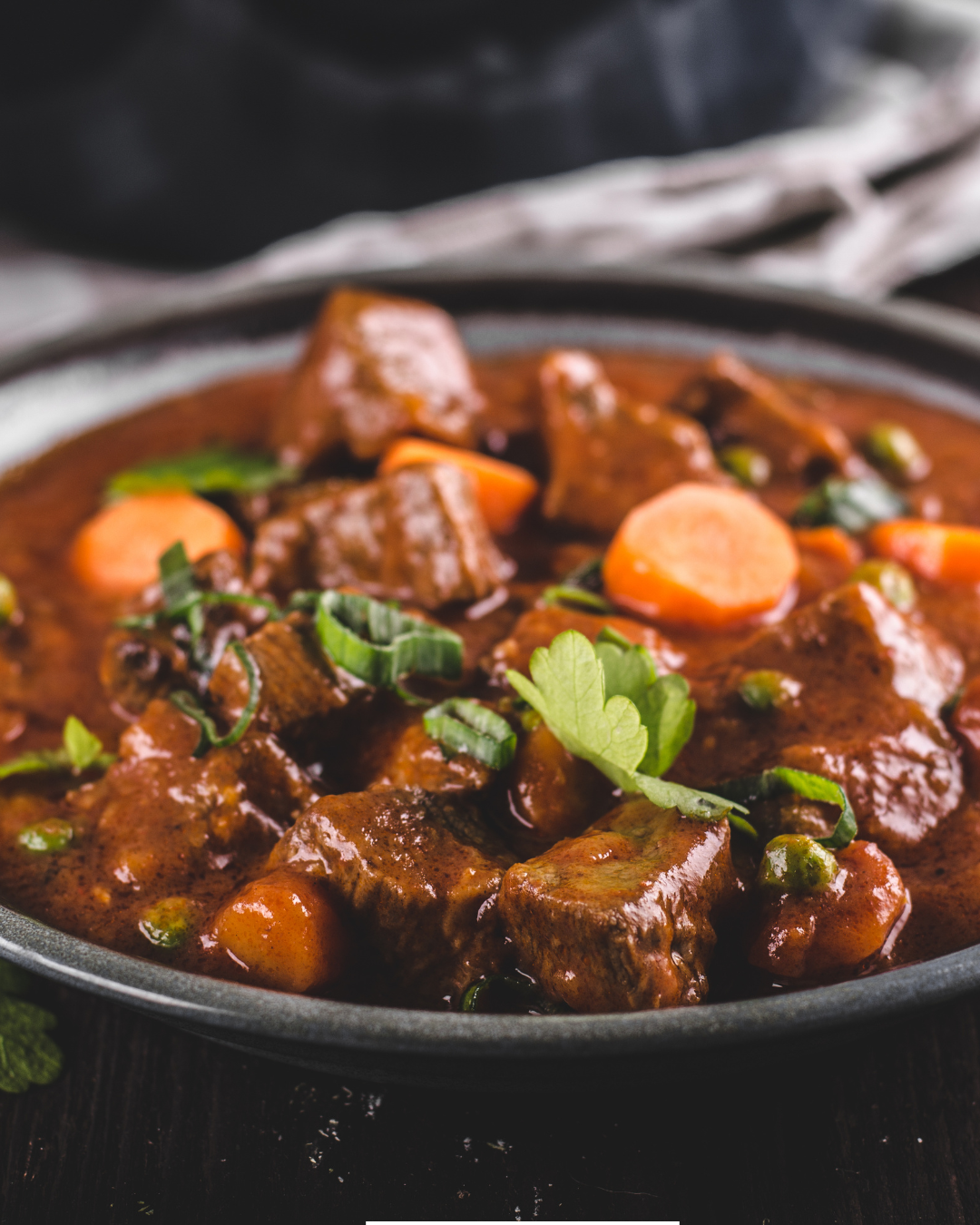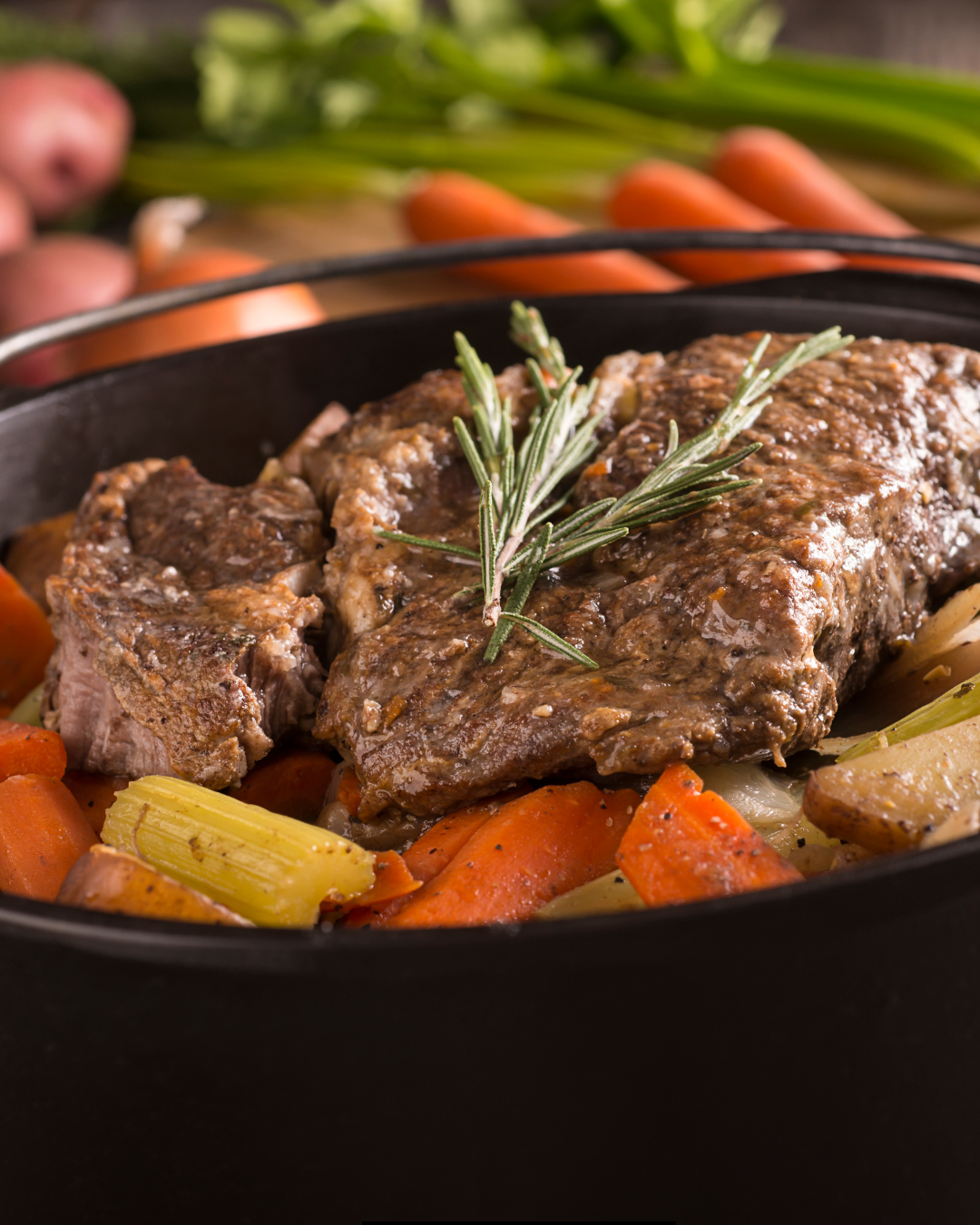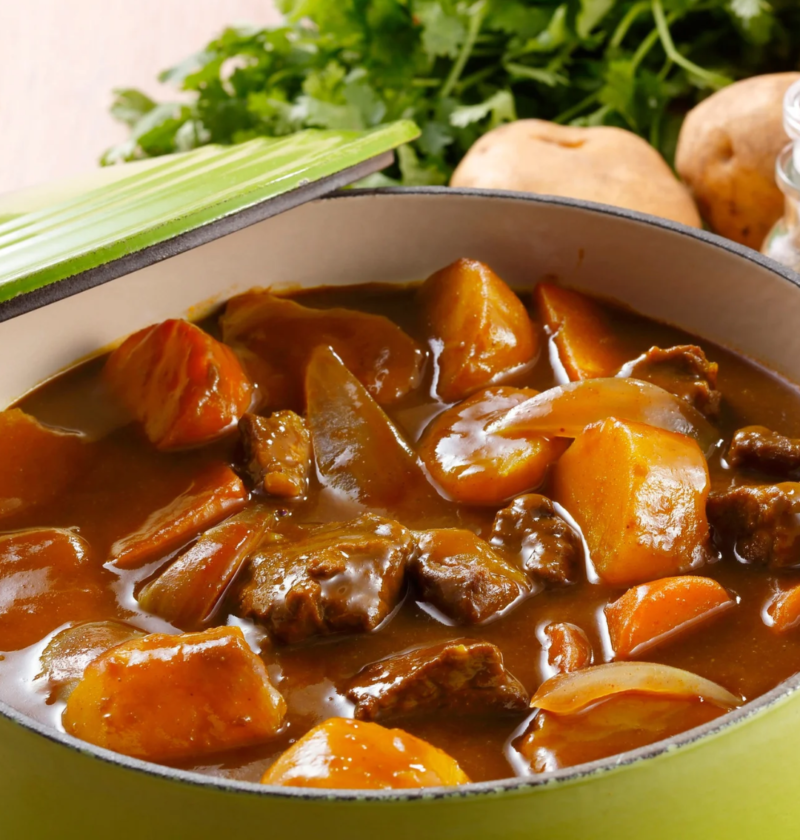
When it comes to comfort food that feels like a warm hug, few dishes can compete with a hearty Gordon Ramsay Beef Casserole. Rich, flavorful, and brimming with tender chunks of beef and perfectly cooked vegetables, it’s the kind of meal that you can serve to impress guests or cozy up with after a long day.
But what if we told you that you could take this classic dish to the next level—with a little inspiration from the legendary Gordon Ramsay? Known for his bold flavors and attention to detail, Ramsay’s cooking philosophy brings a refined touch to even the simplest recipes.
How to make Gordon Ramsay Beef Casserole
Gordon Ramsay Beef Casserole is a hearty, comforting dish made with tender chunks of beef, vegetables, mushrooms, and a rich, savory gravy. The beef is browned to develop a deep flavor, then slowly cooked with ingredients such as onions, carrots, herbs, beef stock, and red wine until the meat becomes soft and tender.
Ingredients
For the Casserole Base
- Beef: 2–3 lbs of beef chuck or stewing beef, cut into bite-sized chunks. This cut is perfect for slow cooking as it becomes tender over time.
- All-purpose flour: ½ cup, for dredging the beef, which helps with browning and thickens the casserole.
- Olive oil or butter: 2–3 tablespoons for searing the beef.
Vegetables
- Onions: 2 medium, finely diced. Adds sweetness and depth of flavor.
- Carrots: 2–3, peeled and roughly chopped into bite-sized pieces—a must-have for color and texture.
- Celery: 2–3 stalks, sliced. Provides a subtle, earthy flavor to balance the richness of the beef.
- Mushrooms: 1 cup (optional), sliced for added umami and texture.
- Potatoes: 2–3 medium, peeled and diced (optional, if you want the casserole to be a complete one-pot meal).
Liquids and Aromatics
- Beef stock or broth: 2–3 cups. Essential for braising the beef and creating a flavorful sauce.
- Red wine: 1 cup (optional). Use to deglaze the pot and add richness.
- Tomato paste: 2 tablespoons. Provides depth and enhances the casserole’s sauce.
- Garlic: 3 cloves, minced. Perfect for adding bold, aromatic flavor.
- Herbs: A few sprigs of fresh thyme and rosemary, plus 2 bay leaves for a classic, herbal note.
- Worcestershire sauce: 1 tablespoon (optional). For added umami.
- Salt and black pepper: To season throughout the process.
Optional Garnish
- Chopped fresh parsley: Adds freshness and a pop of color to the finished dish.
Instructions
Step 1: Prep and Sear the Beef
- Pat the beef chunks dry with paper towels, and season generously with salt and pepper.
- Dredge the beef in all-purpose flour, ensuring each piece is lightly coated.
- Heat olive oil in a heavy-bottomed oven-safe casserole dish or Dutch oven over medium-high heat.
- Sear the beef in batches. Brown each side until golden (about 3–4 minutes per batch), then remove and set aside. This step adds rich flavor to your casserole.
Step 2: Sauté the Vegetables
- In the same pot, add a little more oil if needed and sauté the onions, carrots, and celery for 5–7 minutes, or until softened and slightly caramelized.
- Add the minced garlic and cook for 1 more minute, stirring constantly.
- Stir in the tomato paste and cook for 1–2 minutes. This helps deepen its flavor.
Step 3: Build the Sauce
- Deglaze the pot by pouring in the red wine (if using). Scrape up any browned bits stuck to the bottom, as these are full of flavor. Allow the wine to reduce slightly for 2–3 minutes.
- Return the seared beef to the pot and pour in the beef stock until the meat is just covered. Add Worcestershire sauce (optional), fresh herbs (thyme, rosemary, bay leaves), and season lightly with salt and pepper.
Step 4: Slow Cook
- Cover the pot with a tight-fitting lid and transfer it to a preheated oven set at 325°F (160°C).
- Cook for 2.5 to 3 hours, stirring occasionally. The beef will become meltingly tender as it absorbs the flavors of the sauce and vegetables.
Step 5: Final Touches
- After cooking, remove the pot from the oven. Taste the casserole and adjust the seasoning with more salt or pepper, if necessary.
- If desired, skim excess fat from the surface of the sauce for a cleaner presentation.
- Garnish with fresh parsley before serving to brighten up the dish.
Expert Tips for Success
- Use beef chuck or another well-marbled cut for maximum tenderness and flavor during slow cooking. Avoid lean cuts like sirloin, as they won’t break down as well.
- Browning the beef before braising is critical—it adds depth of flavor and helps develop the sauce’s rich, golden color.
- Use aromatics like garlic, onions, and celery, and deglaze with wine or broth to ensure you don’t waste any flavor.
- The longer you cook the casserole, the more tender the beef and flavorful the sauce will become.
- Beef casserole often tastes even better the day after it’s made, as the flavors continue to deepen. Refrigerate leftovers and reheat the next day gently.
- While this Gordon Ramsay Beef Casserole is delicious on its own, you can pair it with creamy mashed potatoes, buttered rice, or crusty bread for an extra-special meal.
Final Thoughts
This Gordon Ramsay beef casserole is the ultimate celebration of hearty, home-style cooking with a dash of elegance and expert technique.
More Beef Recipes:
- Gordon Ramsay Lamb Leg Recipe
- Gordon Ramsay Surf and Turf Recipe
- Gordon Ramsay Beef and Ale Stew Recipe
Ingredients
For the Casserole Base
- Beef: 2–3 lbs of beef chuck or stewing beef, cut into bite-sized chunks. This cut is perfect for slow cooking as it becomes tender over time.
- All-purpose flour: ½ cup, for dredging the beef, which helps with browning and thickens the casserole.
- Olive oil or butter: 2–3 tablespoons for searing the beef.
Vegetables
- Onions: 2 medium, finely diced.
- Carrots: 2–3, peeled and roughly chopped
- Celery: 2–3 stalks, sliced.
- Mushrooms: 1 cup (optional)
- Potatoes: 2–3 medium, peeled and diced
Liquids and Aromatics
- Beef stock or broth: 2–3 cups.
- Red wine: 1 cup (optional).
- Tomato paste: 2 tablespoons.
- Garlic: 3 cloves, minced.
- Herbs: A few sprigs of fresh thyme and rosemary
- Worcestershire sauce: 1 tablespoon (optional).
- Salt and black pepper: To season throughout the process.
Optional Garnish
- Chopped fresh parsley
Instructions
Step 1: Prep and Sear the Beef
- Pat the beef chunks dry with paper towels, and season generously with salt and pepper.
- Dredge the beef in all-purpose flour, ensuring each piece is lightly coated.
- Heat olive oil in a heavy-bottomed oven-safe casserole dish or Dutch oven over medium-high heat.
- Sear the beef in batches. Brown each side until golden (about 3–4 minutes per batch), then remove and set aside. This step adds rich flavor to your casserole.
Step 2: Sauté the Vegetables
- In the same pot, add a little more oil if needed and sauté the onions, carrots, and celery for 5–7 minutes, or until softened and slightly caramelized.
- Add the minced garlic and cook for 1 more minute, stirring constantly.
- Stir in the tomato paste and cook for 1–2 minutes. This helps deepen its flavor.
Step 3: Build the Sauce
- Deglaze the pot by pouring in the red wine (if using). Scrape up any browned bits stuck to the bottom, as these are full of flavor. Allow the wine to reduce slightly for 2–3 minutes.
- Return the seared beef to the pot and pour in the beef stock until the meat is just covered. Add Worcestershire sauce (optional), fresh herbs (thyme, rosemary, bay leaves), and season lightly with salt and pepper.
Step 4: Slow Cook
- Cover the pot with a tight-fitting lid and transfer it to a preheated oven set at 325°F (160°C).
- Cook for 2.5 to 3 hours, stirring occasionally. The beef will become meltingly tender as it absorbs the flavors of the sauce and vegetables.
Step 5: Final Touches
- After cooking, remove the pot from the oven. Taste the casserole and adjust the seasoning with more salt or pepper, if necessary.
- If desired, skim excess fat from the surface of the sauce for a cleaner presentation.
- Garnish with fresh parsley before serving to brighten up the dish.
Discover more from BlogEats
Subscribe to get the latest posts sent to your email.