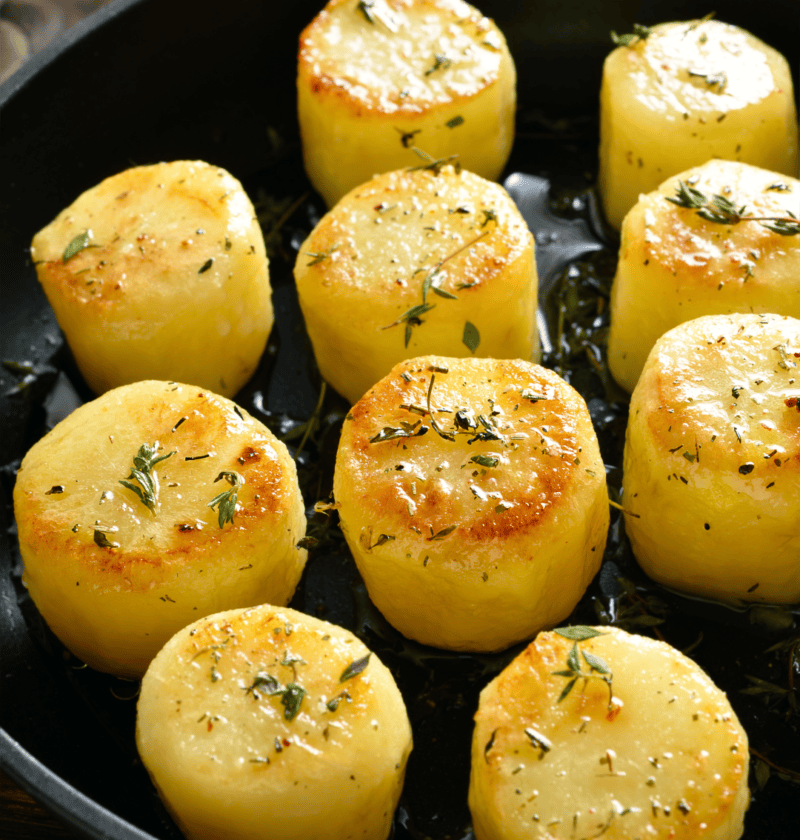
This Gordon Ramsay Fondant Potato brings together the best of both worlds: it’s simple enough for a cozy dinner at home but impressive enough to serve at a dinner party when you want to show off your cooking chops. Plus, because Gordon Ramsay gives it his trademark flair with buttery garlic, fresh thyme, and rich broth, you already know it’s going to be packed with flavor.
If you’ve ever watched Gordon Ramsay in action (and let’s be honest, who hasn’t?), you’ve probably noticed how effortlessly he elevates simple ingredients into Michelin-star-worthy creations. That’s exactly what this recipe does. Fondant potatoes are, quite frankly, the pinnacle of comfort and elegance—crispy, golden edges with a luscious, melt-in-your-mouth interior.
Why Are Fondant Potatoes So Special?
Fondant potatoes embody the perfect balance between rustic simplicity and gourmet flair. The crispy golden crust adds texture, while the creamy, flavorful interior melts in your mouth. This technique takes the already-beloved potato to new heights—perfect for impressing guests or treating yourself to something indulgent!
How to make Gordon Ramsay Fondant Potatoes
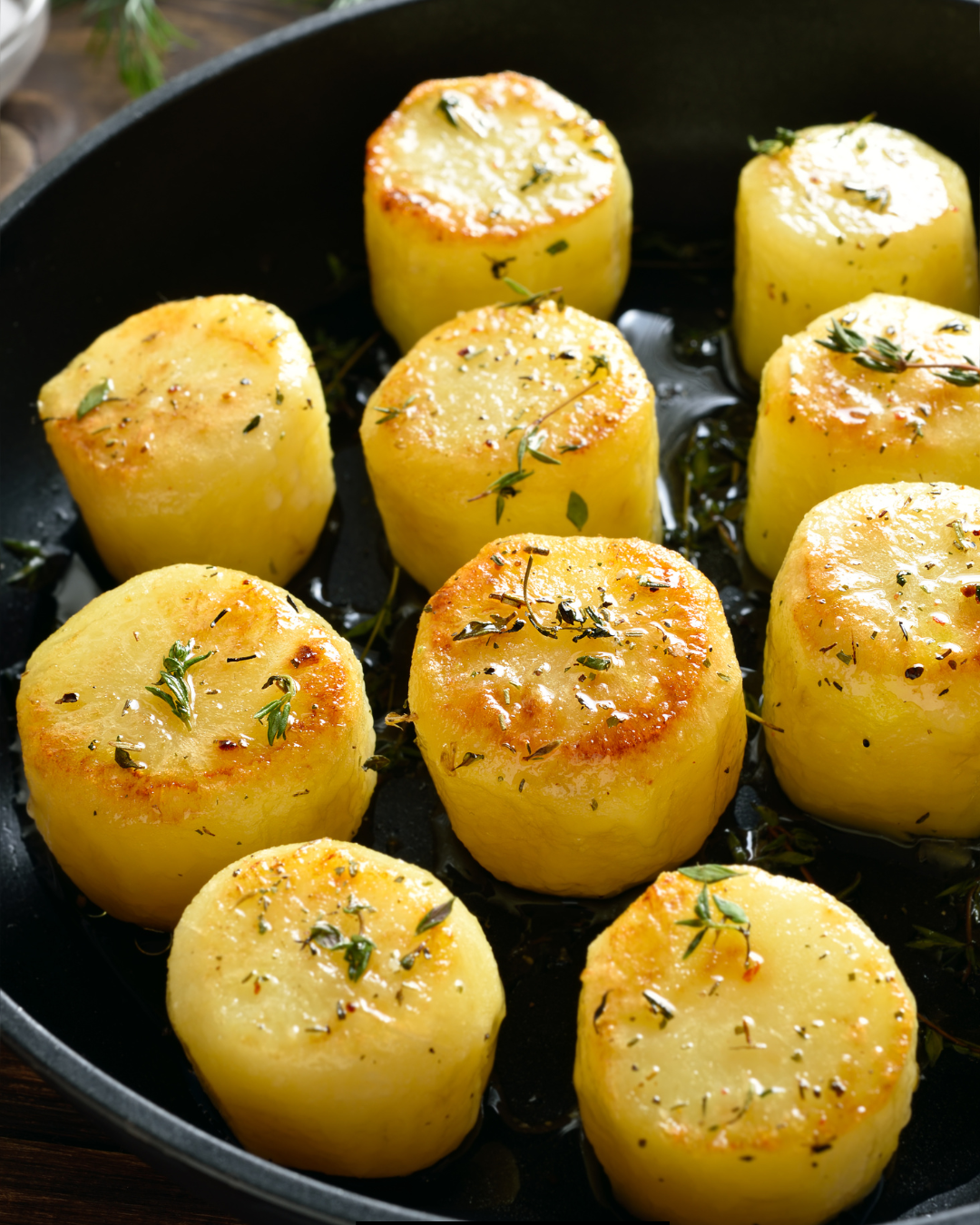
Gordon Ramsay Fondant Potatoes are a classic French-style potato side dish known for their beautifully golden, crispy exterior and soft, creamy, melt-in-your-mouth center.
Ingredients
- 4 large starchy potatoes (Yukon Gold or Russet potatoes are ideal for their creamy interiors)
- 2-3 tablespoons of olive oil or clarified butter (for searing)
- 1/2 teaspoon of coarse sea salt (or to taste)
- 1/2 teaspoon ground black pepper (or to taste)
- For the Flavor
- 3-4 garlic cloves (lightly crushed and unpeeled)
- 2-3 sprigs of fresh thyme (or substitute with rosemary for a slight variation)
- 4 tablespoons of unsalted butter
- 1 cup of chicken stock (or vegetable stock for a vegetarian option; beef stock works too for extra richness)
Instructions
Follow these step-by-step instructions for perfectly cooked Gordon Ramsay Fondant Potato:
Step 1: Prepare and Shape the Potatoes
- Peel the potatoes and cut off the rounded ends to create evenly sized flat cylinders (aim for about 2-inch-tall pieces). This ensures uniform cooking and the signature fondant potato look.
- Rinse the potatoes under cold water to remove excess starch, then pat them dry thoroughly with paper towels. This is crucial for a crispy, golden crust during searing.
Step 2: Sear the Potatoes
- Heat a large, heavy-bottomed skillet or frying pan over medium-high heat. Add the olive oil (or clarified butter) and heat until shimmering.
- Place the potato cylinders into the skillet with their flat sides down. Let them sear undisturbed for 4-5 minutes on one side until they develop a deeply golden and crispy crust.
- Flip carefully and repeat on the other side, ensuring both ends are golden and crispy.
Step 3: Add Aromatics
- Once the potatoes are golden on both sides, lower the heat to medium. Add the butter to the pan and let it melt, creating a rich, nutty aroma.
- Add the crushed garlic cloves and the fresh thyme sprigs to the butter. Tilt the pan slightly and use a spoon to baste the potatoes with the infused butter for about 1-2 minutes.
Step 4: Simmer and Cook in Stock
- Gently pour the chicken stock (or vegetable stock) into the pan, taking care not to splatter the hot butter. The liquid should come about halfway up the sides of the potatoes, but not submerge them completely.
- Bring the stock to a simmer, then lower the heat and cover the pan with a lid (or cover loosely with foil). Allow the potatoes to cook for approximately 20-25 minutes on low heat. They should absorb some of the flavorful liquid and become tender all the way through.
- Check occasionally to ensure there’s still stock in the pan; you don’t want it to dry out completely. Add a splash more stock if needed.
Step 5: Finish and Serve
- Remove the skillet from the heat when the potatoes are tender (poke with a skewer or the tip of a knife; there should be no resistance).
- Plate the fondant potatoes, spooning any remaining stock and butter sauce over the top for a glossy, flavorful finish. Garnish with fresh thyme if desired.
Tips for Perfect Gordon Ramsay Fondant Potato
To ensure your fondant potatoes turn out like Gordon Ramsay’s, keep these tips in mind:
- Use starchy or all-purpose potatoes like Yukon Gold or Russets for that soft, buttery interior. Avoid waxy varieties (like red potatoes), as they won’t yield the same creamy texture.
- Cutting the potatoes into evenly sized cylinders not only enhances the presentation but also ensures they cook evenly and finish at the same time.
- A good sear takes patience! Don’t disturb the potatoes while they’re frying—it’s the only way to achieve a beautiful golden-brown crust.
- Season the potatoes with salt and pepper as you cook, especially before adding the stock. The salt helps flavor them as they absorb the liquid.
- Since the potatoes will absorb the stock while cooking, the flavor of the liquid deeply impacts the final dish. Use homemade or high-quality store-bought stock for the best results.
- Periodically spoon the butter-and-thyme mixture over the potatoes as they cook in the pan. This step locks in flavor and keeps the dish irresistibly rich.
- Before removing the potatoes from the skillet, pierce the thickest part with a skewer or knife. It should slide in easily, confirming a perfectly tender interior.
What to serve with
Gordon Ramsay fondant potatoes are a luxurious, versatile side dish that pairs beautifully with a variety of mains and accompaniments. Their crispy golden surface, creamy interior, and the rich, buttery flavors infused with garlic and thyme make them the perfect foundation for building an impressive meal.
A classic pairing for fondant potatoes is a tender, juicy piece of roast beef or prime rib.
a) Roast Beef or Prime Rib: Drizzle the beef with a red wine or balsamic reduction sauce and serve alongside the Gordon Ramsay Fondant Potato to create a meal reminiscent of a fine dining experience.
b) Pan-Seared Steak: Thick, juicy cuts of steak (like rib-eye, filet mignon, or New York strip) pair exceptionally well. Serve the steak with a pat of herb butter or a peppercorn sauce for added flavor.
c) Braised Lamb Shanks or Lamb Chops: The bold flavors of lamb work well with the herby undertones of fondant potatoes.
d) Roast Chicken or Duck: A whole roasted chicken or crispy-skinned duck pairs effortlessly with the potatoes.
Ingredients Substitutes
While Gordon Ramsay fondant potato recipe calls for classic, carefully chosen ingredients to create its signature flavor and texture, you might need a few substitutions based on what you have available.
1. Potatoes
The choice of potatoes matters, as the right variety ensures a creamy interior and crispy exterior. Gordon Ramsay typically uses starchy or all-purpose potatoes like Yukon Gold or Russet potatoes, but if you don’t have these, here are some substitutes:
- Substitute with Waxy Varieties (e.g., Red Potatoes or Baby Potatoes): If you only have waxy potatoes, they can work, but keep in mind that they won’t be as fluffy inside. To improve the texture, simmer them a little longer in the stock.
- Fingerling Potatoes: Though small and irregularly shaped, fingerlings can create a gourmet twist. Be careful when searing to ensure an even crust.
- Sweet Potatoes: For a unique, sweet, and earthy flavor, use sweet potatoes. Adjust cooking times as they cook faster and soak up liquids more readily.
- Maris Piper or King Edward Potatoes: In the UK or Europe, these are fantastic substitutes for Yukon Gold or Russet potatoes. They are versatile and roast well while maintaining a creamy texture.
2. Olive Oil or Clarified Butter (for Searing)
The recipe starts with searing the potatoes in olive oil or clarified butter to build that rich golden crust. If you’re short on these, you can use the following substitutes:
- Substitute with Regular Butter (Unsalted): If you don’t have clarified butter, you can use regular butter, but it burns more easily. Lower the heat and monitor closely to avoid scorching.
- Ghee: Ghee, a form of clarified butter used in Indian cooking, has a high smoking point and rich flavor, making it an excellent alternative.
- Vegetable or Canola Oil: These neutral oils work well for crisping the potatoes without altering the flavor. If available, mix with a small knob of butter to retain the rich taste.
- Avocado Oil: Avocado oil also has a high smoking point and a mild flavor that works as a substitute for olive oil or clarified butter.
3. Chicken or Vegetable Stock
The potatoes are slow-cooked in chicken stock, which adds moisture and deep, savory flavor to the dish. If you don’t have chicken stock, try these alternatives:
- Vegetable Stock: A perfect vegetarian substitute that still adds flavor. Use a low-sodium version to keep control of the seasoning.
- Beef Stock: For a richer and heartier flavor, beef stock works beautifully, especially when paired with red meat.
- Homemade Stock or Broth: Homemade stock (from boiled bones or saved veggie scraps) is a fresher, highly flavorful substitute.
- Bouillon Cubes or Stock Powder: Dissolve a bouillon cube or some stock powder in hot water. Adjust the concentration to achieve your preferred flavor.
- Herbal or Water Infusions: If stock isn’t available, use plain water infused with aromatics like celery, onion, carrot, parsley, bay leaves, or thyme to add a mild, fresh flavor.
4. Fresh Thyme
Fresh thyme is one of the defining aromatics in this dish, giving it an herby, earthy undertone. If you don’t have fresh thyme, try these substitutes:
- Dried Thyme: Use 1/3 the amount of the original quantity since dried herbs are more concentrated. Add it just a few minutes before introducing the stock to prevent burning.
- Rosemary or Oregano (Fresh or Dried): Rosemary’s pine-like aroma provides a bolder flavor, while oregano has a milder, herbal taste. Use sparingly because both are more pungent than thyme.
- Italian Seasoning Mix: A convenient option that often includes thyme, rosemary, basil, and oregano. Use a pinch or two.
- Bay Leaf: Though not an exact thyme substitute, a single bay leaf left in the stock can provide a subtle herbaceous note.
5. Garlic Cloves
Garlic is essential for its aromatic, savory essence that seeps into the butter and stock. If you don’t have fresh garlic, here are some substitutes:
- Garlic Powder or Garlic Granules: Sprinkle a pinch of garlic powder (about 1/4 teaspoon) in place of each clove, or adjust to taste.
- Roasted Garlic Paste: A teaspoon of pre-made roasted garlic paste is a rich alternative to adding fresh garlic.
- Shallots or Onion: Finely sliced shallots or onions can add similar depth of flavor if added during cooking.
Final Thoughts
Gordon Ramsay fondant potatoes are not just a side dish—they’re an experience.
More Potato Recipes:
- Gordon Ramsay Potato Gratin Recipe
- Gordon Ramsay Jacket Potato Recipe
- Gordon Ramsay Gnocchi Recipe
- Copycat Gordon Ramsay Mashed Potato Recipe
Ingredients
- 4 large starchy potatoes
- 2-3 tablespoons of olive oil
- 1/2 teaspoon of coarse sea salt (or to taste)
- 1/2 teaspoon ground black pepper (or to taste)
- For the Flavor
- 3-4 garlic cloves (lightly crushed and unpeeled)
- 2-3 sprigs of fresh thyme
- 4 tablespoons of unsalted butter
- 1 cup of chicken stock
Instructions
Step 1: Prepare and Shape the Potatoes
- Peel the potatoes and cut off the rounded ends to create evenly sized flat cylinders (aim for about 2-inch-tall pieces). This ensures uniform cooking and the signature fondant potato look.
- Rinse the potatoes under cold water to remove excess starch, then pat them dry thoroughly with paper towels. This is crucial for a crispy, golden crust during searing.
Step 2: Sear the Potatoes
- Heat a large, heavy-bottomed skillet or frying pan over medium-high heat. Add the olive oil (or clarified butter) and heat until shimmering.
- Place the potato cylinders into the skillet with their flat sides down. Let them sear undisturbed for 4-5 minutes on one side until they develop a deeply golden and crispy crust.
- Flip carefully and repeat on the other side, ensuring both ends are golden and crispy.
Step 3: Add Aromatics
- Once the potatoes are golden on both sides, lower the heat to medium. Add the butter to the pan and let it melt, creating a rich, nutty aroma.
- Add the crushed garlic cloves and the fresh thyme sprigs to the butter. Tilt the pan slightly and use a spoon to baste the potatoes with the infused butter for about 1-2 minutes.
Step 4: Simmer and Cook in Stock
- Gently pour the chicken stock (or vegetable stock) into the pan, taking care not to splatter the hot butter. The liquid should come about halfway up the sides of the potatoes, but not submerge them completely.
- Bring the stock to a simmer, then lower the heat and cover the pan with a lid (or cover loosely with foil). Allow the potatoes to cook for approximately 20-25 minutes on low heat. They should absorb some of the flavorful liquid and become tender all the way through.
- Check occasionally to ensure there’s still stock in the pan; you don’t want it to dry out completely. Add a splash more stock if needed.
Step 5: Finish and Serve
- Remove the skillet from the heat when the potatoes are tender (poke with a skewer or the tip of a knife; there should be no resistance).
- Plate the fondant potatoes, spooning any remaining stock and butter sauce over the top for a glossy, flavorful finish. Garnish with fresh thyme if desired.
Discover more from BlogEats
Subscribe to get the latest posts sent to your email.