I’ll walk you through Ramsay’s step-by-step process for mastering the perfect fried egg. Trust me, it’s not just about cracking an egg into a pan. From controlling the heat to getting that picture-perfect crisp on the edges, this Gordon Ramsay Fried Egg recipe will have you cooking eggs like a Michelin-star chef in no time.
For years, I’ve been enamored by Ramsay’s perfectionist approach to cooking, and his fried egg technique truly showcases his philosophy: precision, patience, and respect for the ingredients.
How to Make Gordon Ramsay Fried Egg
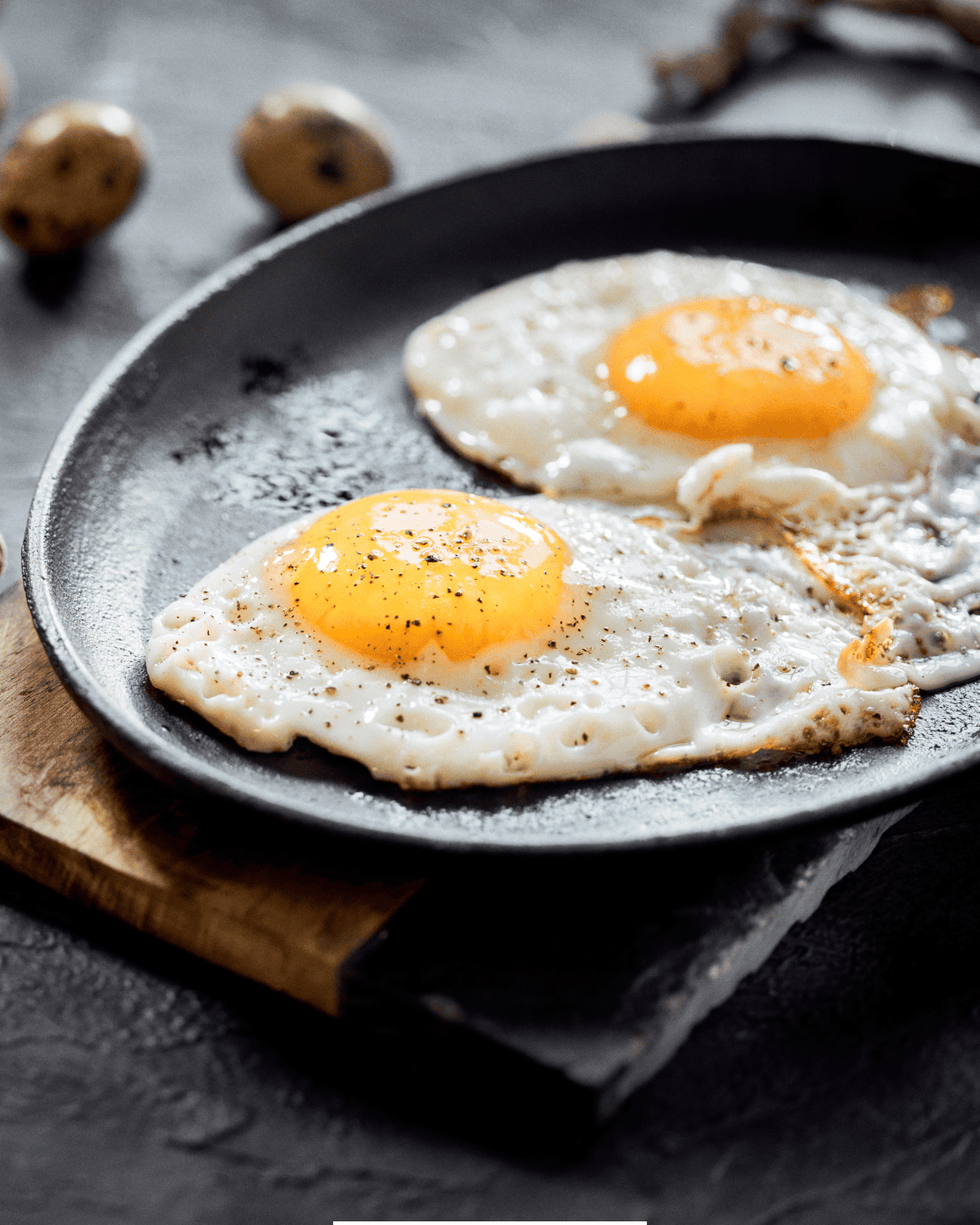
Gordon Ramsay Fried Egg is his take on the classic fried egg, using a simple technique to get crispy, golden edges, fully cooked whites, and a soft, runny yolk.
Ingredients
- 1 large fresh egg
- 1–2 tbsp olive oil
- Sea salt
- Freshly ground black pepper (optional)
Optional Ingredients for Garnish
- Chopped fresh herbs (like chives, parsley, or thyme)
- Chili flakes (for a touch of heat)
- A small squeeze of lemon or a drizzle of olive oil for brightness when serving
Equipment
For best results, you’ll need the following:
- A non-stick frying pan (or a well-seasoned cast-iron skillet for extra crispiness)
- A silicone spatula (gentle on non-stick pans)
- A spoon (for basting if using extra oil or butter)
- A small bowl (to crack the egg into before it goes into the pan)
Instructions
Follow these simple yet precise steps to cook your fried egg Gordon Ramsay-style:
1. Prep Your Ingredients
- Start with the freshest egg you can find. Fresh eggs will give you a rich, round yolk and whites that stay intact and don’t spread.
- Crack the egg into a small bowl instead of directly into the pan. This makes it easier to avoid breaking the yolk and to keep out any stray bits of shell.
2. Heat the Pan Properly
- Place a non-stick pan over medium heat. Gordon Ramsay emphasizes the importance of controlled heat—too high, and your egg will burn before it cooks properly; too low, and it won’t crisp.
- Add 1–2 tablespoons of olive oil to the pan. Swirl it around to coat the surface evenly.
- Wait for the oil to shimmer but not smoke. You’ll know it’s ready when it flows freely in the pan.
3. Cook the Egg
- Gently slide the egg from the bowl into the pan.
- Don’t just crack the egg straight into the pan; sliding it in keeps the yolk intact and ensures an even shape.
- Let the egg cook undisturbed for 20–30 seconds. You want the white to set slightly without browning immediately.
- Turn the heat down slightly to medium-low and let the egg cook slowly.
- Cooking the egg at a lower temperature allows the whites to firm up gently while keeping the yolk soft and runny.
- Baste the egg (optional): If you want a slightly cooked top without flipping the egg, tilt the pan and spoon some hot olive oil (or butter, if using) gently over the whites. This helps the whites cook evenly and adds a glossy finish.
4. Time to Finish
Check for doneness:
- The whites should be fully set with crisp, golden edges.
- The yolk should still wobble when lightly nudged—a sign it’s perfectly runny inside.
Season the egg:
- Sprinkle a pinch of sea salt over the egg and freshly cracked black pepper, if desired.
5. Plate and Serve
Use a spatula to gently lift the egg from the pan and place it on its final destination:
- Toasted sourdough
- Avocado toast
- Sauteed spinach
- Or even a bowl of warm rice or quinoa
Optional Garnishes
- Sprinkle chopped chives, parsley, or a pinch of chili flakes for color and a pop of flavor.
- For a bright twist, finish with a tiny squeeze of lemon juice or a light drizzle of extra virgin olive oil.
What to serve with Gordon Ramsay Fried Egg
A perfectly cooked Gordon Ramsay fried egg is a masterpiece on its own. With its golden, crispy edges, tender whites, and silky yolk, this egg needs only a few thoughtful accompaniments to transform your plate into a memorable breakfast, brunch, or even dinner.
1. Crispy Bacon or Pancetta
- A side of crispy bacon or thinly sliced, pan-fried pancetta adds saltiness and crunch that contrasts beautifully with the soft yolk.
- For extra flavor, caramelize the bacon with a drizzle of maple syrup or a sprinkle of pepper.
2. Buttered Toast
- Warm, toasted sourdough or baguette slices are perfect for mopping up the runny yolk.
- To elevate it further, spread smashed avocado on the toast and top with chili flakes or a squeeze of lemon.
3. Hash Browns or Roasted Potatoes
- Crispy hash browns or oven-roasted potatoes seasoned with paprika and rosemary pair wonderfully with the Gordon Ramsay Fried Egg.
- Sprinkle some grated Parmesan on top for extra indulgence.
4. Sautéed Breakfast Sausages
- Serve your egg alongside juicy breakfast sausages for a hearty, protein-packed meal. Ramsay’s pork sausages with herbs like sage or thyme are a great fit.
Ingredients Substitutes
One of the best things about cooking is that it’s adaptable. If you don’t have a specific ingredient on hand when making a Gordon Ramsay fried egg, don’t worry! With the right substitutes, you can still cook a perfect egg with luscious yolks, tender whites, and crispy edges.
1. Eggs: The Star Ingredient
Gordon Ramsay fried egg is all about using fresh, high-quality eggs, but if you don’t have access to fresh chicken eggs or need an alternative, here are some options:
Substitutes for Chicken Eggs
- Duck Eggs: Duck eggs are larger with a firmer texture and a creamier yolk. They are slightly richer in flavor than chicken eggs and work perfectly for fried egg recipes.
- Quail Eggs: These tiny, delicate eggs make a fun, bite-sized version of Ramsay’s fried egg. They cook quickly and have a mild, pleasant flavor.
- Turkey Eggs: Less common but excellent for frying. Turkey eggs have a flavor similar to chicken eggs but are larger and creamier.
Plant-Based Egg Replacements (Vegan Option):
If you’re vegan, you can’t quite replicate the fried egg, but you can use creative substitutes:
- Just Egg (Ready-to-Cook Vegan Egg Substitute): This premade vegan egg product works for frying and can fulfill the golden appearance of fried eggs, though the consistency differs slightly.
2. Oil or Fat for Cooking
In Gordon Ramsay’s recipe, olive oil is often the preferred fat because it adds crispness and a light flavor. If you’re out of olive oil or want different flavors, try these substitutes:
Substitutes for Olive Oil
- Vegetable/Canola Oil: Neutral-tasting oils that crisp up the egg nicely. While they lack the slightly fruity flavor of olive oil, they’re great for achieving crispy edges.
- Avocado Oil: Avocado oil is a healthy alternative with a neutral flavor and a high smoke point, making it great for frying eggs.
- Butter (or Ghee): Butter adds a rich, slightly nutty flavor to the fried egg. To prevent it from burning, use low to medium heat or mix butter with a splash of vegetable oil for stability.
- Coconut Oil: If you enjoy a hint of sweetness, coconut oil works well, particularly for eggs served in bowls with grains or sweet-savory pairings.
- Bacon Fat: The richness and smoky flavor of bacon fat make it a great option if you’re cooking bacon alongside the egg. The rendered fat seasons the egg as it fries.
3. Seasoning: Salt and Pepper
A little seasoning can elevate a fried egg significantly. Here’s how you can substitute or experiment if you don’t have basic sea salt or black pepper:
Substitutes for Sea Salt
- Kosher Salt: A perfect substitute with a clean flavor and similar texture to sea salt.
- Fine Table Salt: If you only have regular table salt, use it sparingly, as it tends to be stronger because of its fine texture.
- Flavored Salts: If you want to add a twist to your fried egg, try seasoning it with garlic salt, smoked salt, truffle salt, or even herb-infused salt.
- Tamari or Soy Sauce: A drizzle of tamari or soy sauce can replace salt, adding a savory umami punch to your egg.
Substitutes for Black Pepper
- White Pepper: White pepper has a milder heat and slightly earthy flavor, making it a great alternative.
- Red Pepper Flakes: For a spicy kick, sprinkle a little red pepper or chili flakes instead of black pepper.
- Smoked Paprika or Cayenne Pepper: These add a warm, smoky depth to the fried egg that’s great for savory dishes.
Final Thoughts
No matter how you serve it, Gordon Ramsay fried egg adds elegance and flavor to any plate.
More Egg Recipes:
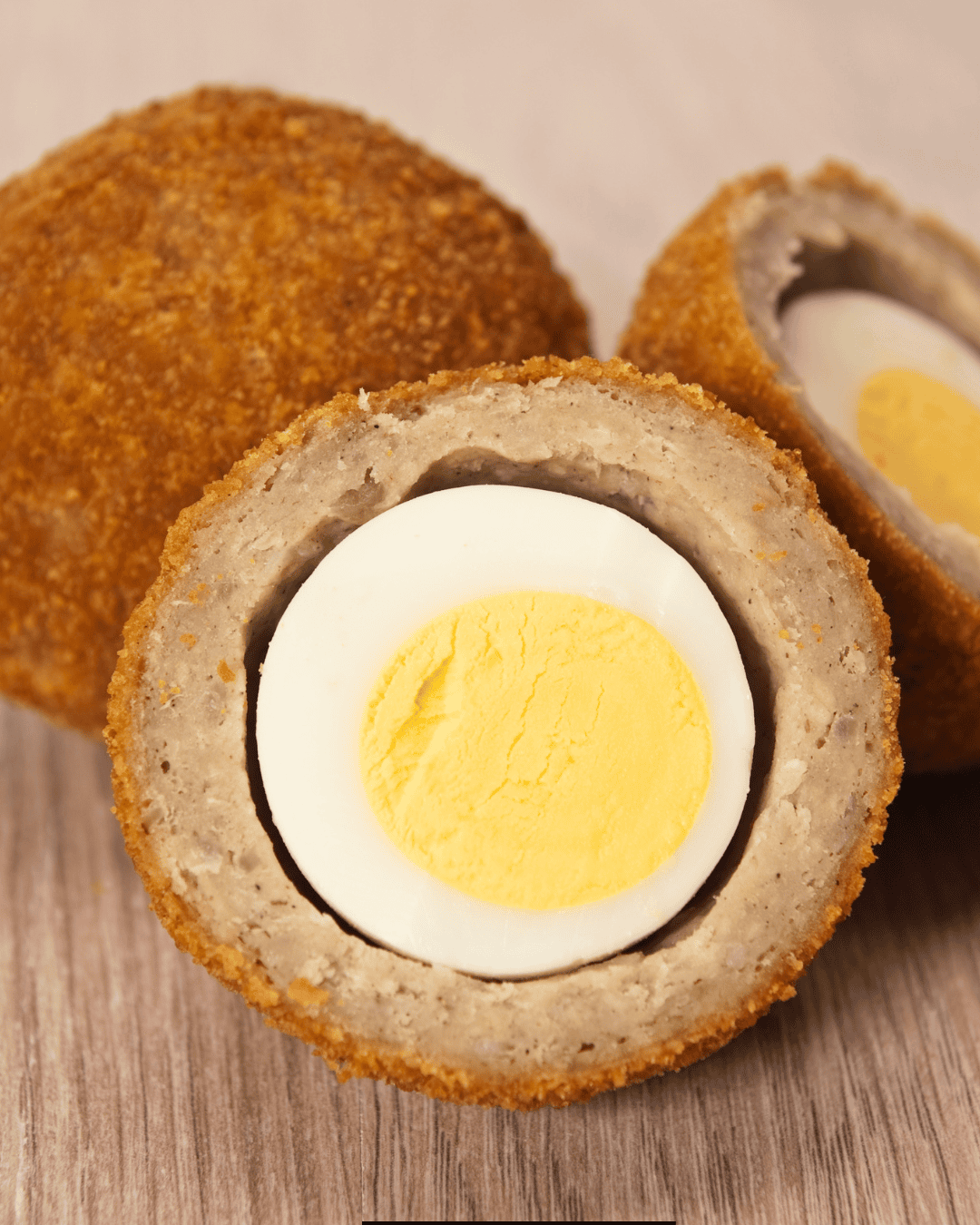
- Gordon Ramsay Scotch Egg Recipe
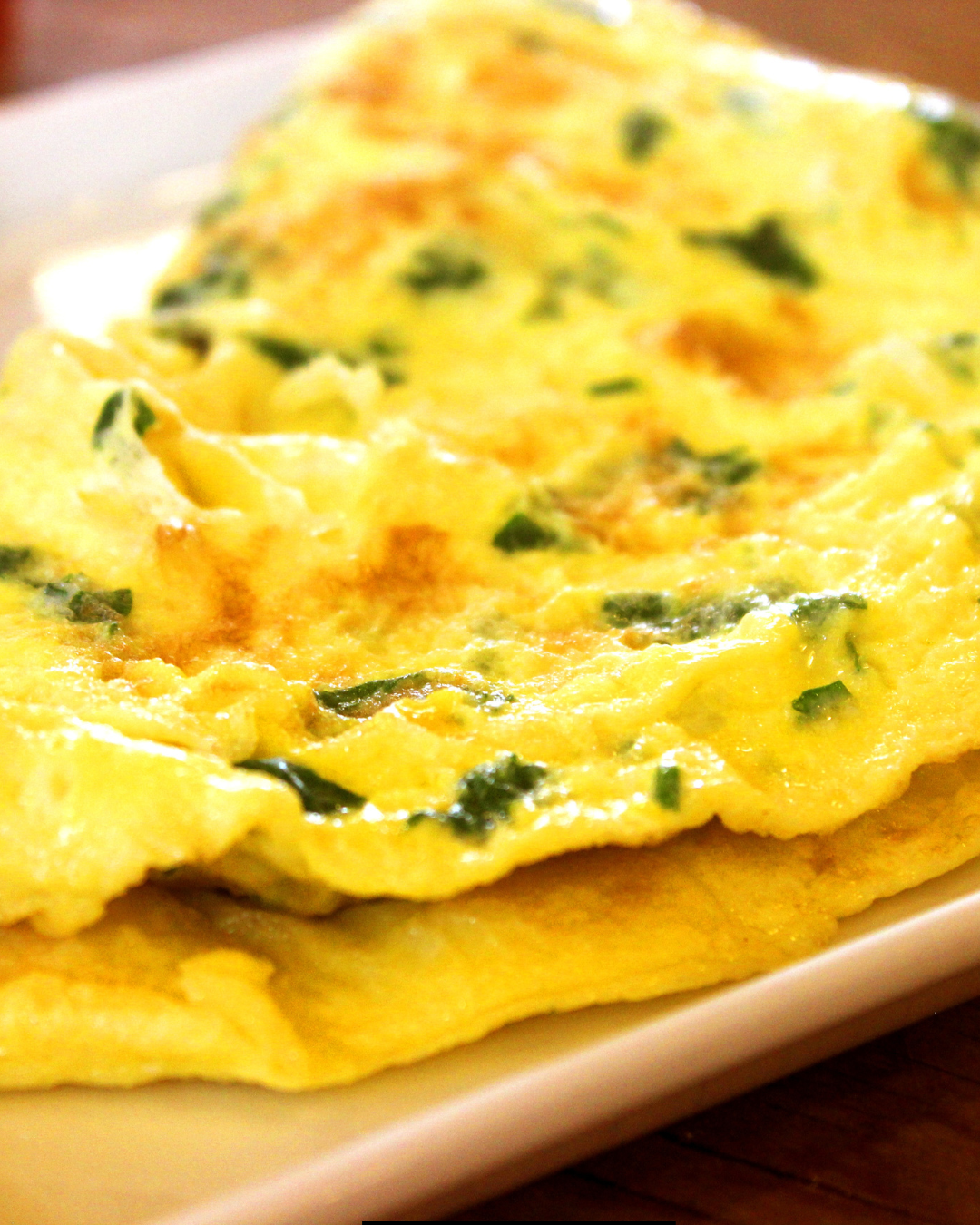
- Gordon Ramsay Omelette Recipe
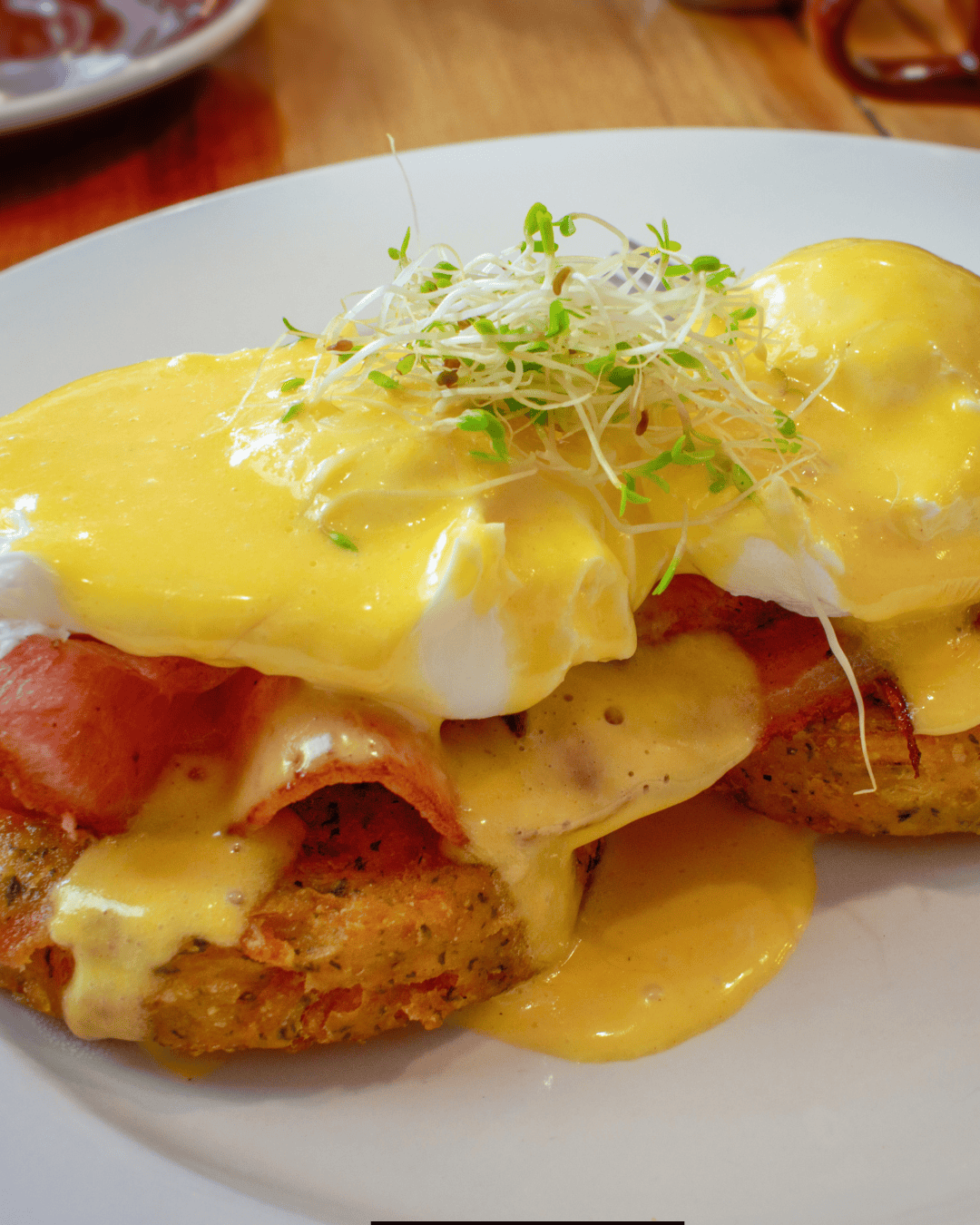
- Copycat Gordon Ramsay Eggs Benedict Recipe
Ingredients
- 1 large fresh egg
- 1–2 tbsp olive oil
- Sea salt
- Freshly ground black pepper (optional)
Optional Ingredients for Garnish
- Chopped fresh herbs (like chives, parsley, or thyme)
- Chili flakes (for a touch of heat)
- A small squeeze of lemon
Instructions
1. Prep Your Ingredients
- Start with the freshest egg you can find. Fresh eggs will give you a rich, round yolk and whites that stay intact and don’t spread.
- Crack the egg into a small bowl instead of directly into the pan. This makes it easier to avoid breaking the yolk and to keep out any stray bits of shell.
2. Heat the Pan Properly
- Place a non-stick pan over medium heat. Gordon Ramsay emphasizes the importance of controlled heat—too high, and your egg will burn before it cooks properly; too low, and it won’t crisp.
- Add 1–2 tablespoons of olive oil to the pan. Swirl it around to coat the surface evenly.
- Wait for the oil to shimmer but not smoke. You’ll know it’s ready when it flows freely in the pan.
3. Cook the Egg
- Gently slide the egg from the bowl into the pan.
- Don’t just crack the egg straight into the pan; sliding it in keeps the yolk intact and ensures an even shape.
- Let the egg cook undisturbed for 20–30 seconds. You want the white to set slightly without browning immediately.
- Turn the heat down slightly to medium-low and let the egg cook slowly.
- Cooking the egg at a lower temperature allows the whites to firm up gently while keeping the yolk soft and runny.
- Baste the egg (optional): If you want a slightly cooked top without flipping the egg, tilt the pan and spoon some hot olive oil (or butter, if using) gently over the whites. This helps the whites cook evenly and adds a glossy finish.
4. Time to Finish
Check for doneness:
- The whites should be fully set with crisp, golden edges.
- The yolk should still wobble when lightly nudged—a sign it’s perfectly runny inside.
Season the egg:
- Sprinkle a pinch of sea salt over the egg and freshly cracked black pepper, if desired.
5. Plate and Serve
Use a spatula to gently lift the egg from the pan and place it on its final destination:
- Toasted sourdough
- Avocado toast
- Sauteed spinach
- Or even a bowl of warm rice or quinoa
Optional Garnishes
- Sprinkle chopped chives, parsley, or a pinch of chili flakes for color and a pop of flavor.
- For a bright twist, finish with a tiny squeeze of lemon juice or a light drizzle of extra virgin olive oil.
Discover more from BlogEats
Subscribe to get the latest posts sent to your email.