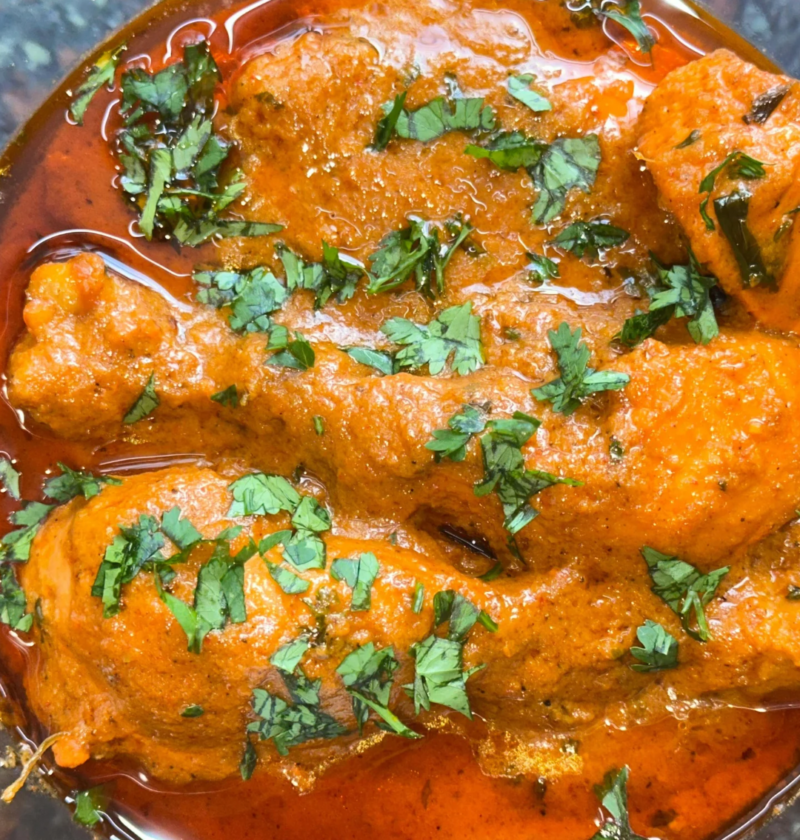
Gordon Ramsay chicken curry is the perfect balance between simplicity and sophistication, while bursting with vibrant, aromatic flavors. Whether it’s a cozy dinner for two or a feast for your loved ones, this recipe will take your taste buds on a journey.
I’m walking you through this incredible recipe that stays true to Ramsay’s signature style of cooking. It’s approachable for home cooks, yet delivers restaurant-quality results.
How to make Gordon Ramsay Chicken Curry
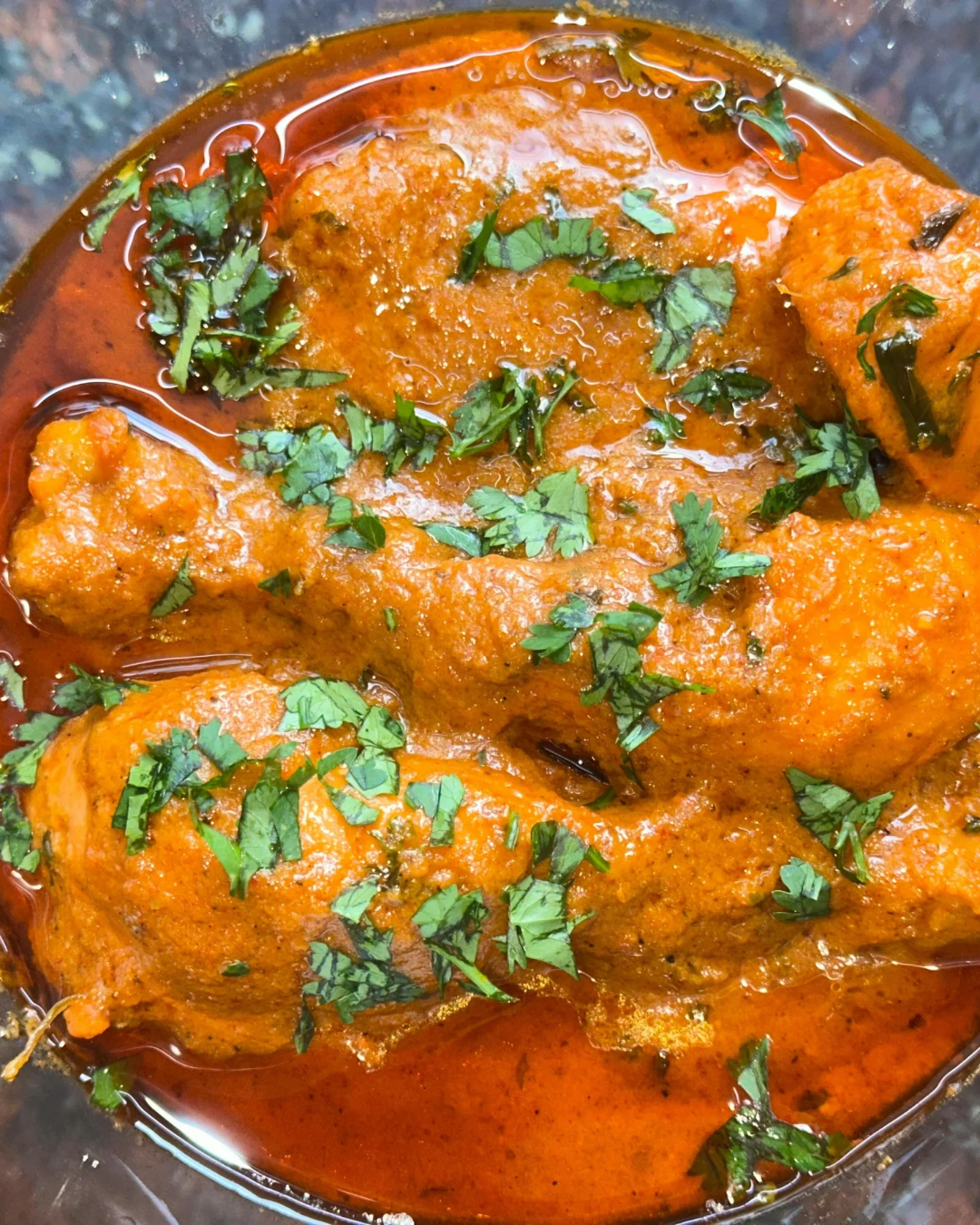
Gordon Ramsay Chicken Curry is a flavorful chicken dish made with tender chicken pieces cooked in a rich, aromatic curry sauce.
Ingredients
For the Marinade
- Chicken: 700g (1.5 lbs) boneless, skinless chicken thighs (cut into bite-size pieces)
- Yogurt: 150g (½ cup), plain (Greek yogurt or natural yogurt)
- Lemon Juice: Juice of 1 lemon (about 2 tbsp)
Spices:
- 1 tsp turmeric powder
- 2 tsp ground coriander
- 1 tsp ground cumin
- 1–2 tsp chili powder (adjust to your heat preference)
Aromatics:
- 1 tbsp grated ginger
- 2 minced garlic cloves
- Seasoning: ½ tsp each salt and pepper
For the Curry Base
- Oil/Ghee: 2–3 tbsp vegetable oil or ghee
- Onions: 2 medium onions, finely chopped
Aromatics:
- 1 tbsp grated ginger
- 3 minced garlic cloves
- 1–2 green chilies, sliced (optional for heat)
Spices:
- 1½ tsp ground cumin
- 1 tsp garam masala
- 1 tsp smoked or regular paprika
- ½ tsp turmeric (optional extra for color)
- Tomato Paste: 2 tbsp
- Tomatoes: 400g canned chopped tomatoes (or about 4 medium fresh tomatoes, chopped)
For the Sauce
- Liquid: 200–250 ml (¾–1 cup) coconut milk or single cream (for a richer curry)
- 150–200 ml (2/3–¾ cup) chicken stock or water (to adjust consistency)
- Salt and Pepper: To taste
Finishing Touches
- Fresh Coriander (Cilantro): Chopped, for garnish
- Lemon Juice: Juice of ½ lemon (to brighten the flavors)
- Optional: A knob of butter for added richness
Instructions
Step 1: Prepare the Chicken and Marinade
Marinate Chicken:
- In a large bowl, combine yogurt, turmeric, coriander, cumin, chili powder, grated ginger, minced garlic, lemon juice, salt, and pepper.
- Add the chicken pieces and toss them to coat evenly.
- Cover and refrigerate for at least 30 minutes (or longer if possible—overnight marination enhances flavor).
Step 2: Start the Curry Base
Heat Oil/Ghee: In a deep skillet or sauté pan, warm 2–3 tablespoons of oil or ghee over medium heat.
Sauté Onions:
- Add the finely chopped onions and sprinkle a pinch of salt.
- Cook for 7–10 minutes or until golden-brown and soft, stirring often to prevent burning.
Add Aromatics:
- Stir in grated ginger, minced garlic, and optional sliced green chilies.
- Cook for 2 minutes, until fragrant. (Be careful not to let the garlic burn as it can taste bitter.)
Step 3: Toast and Build the Flavors
- Add ground cumin, garam masala, paprika, and turmeric. Stir everything together for 30–60 seconds, letting the spices bloom in the oil.
- Stir in the tomato paste and cook for 1–2 minutes. This adds depth and helps eliminate the raw taste of the tomatoes.
- Add the chopped tomatoes (fresh or canned) and stir.
- Simmer for 6–8 minutes, until the tomatoes break down and the mixture thickens into a rich sauce.
Step 4: Add the Chicken
Sear Chicken (Optional): For additional flavor, quickly brown the marinated chicken pieces in a separate skillet before adding them to the curry base. (This step is optional, but it adds great texture and flavor to the chicken.)
Cook Chicken in the Sauce:
- Add the marinated chicken (and its juices) to the curry base, stirring to coat well.
- Pour in 150 ml chicken stock or water to loosen the sauce slightly.
Simmer:
- Cover and simmer over medium-low heat for 15–20 minutes, stirring occasionally, until the chicken is cooked through and tender.
Step 5: Add Richness
Stir in Coconut Milk or Cream:
- Add the coconut milk or cream to the pan. Stir gently and simmer for an additional 5–7 minutes.
- Avoid boiling vigorously, as this can cause the cream to split.
Adjust Consistency:
- If the sauce is too thick, add a splash of stock or water. If it’s too thin, simmer uncovered for a few minutes to thicken.
Step 6: Finish and Serve
Taste and Adjust:
- Add salt and pepper as needed. If the curry tastes too sharp, a tiny pinch of sugar can balance it out.
- Squeeze in fresh lemon juice for brightness.
Garnish:
- Scatter fresh coriander (cilantro) on top for a pop of color and flavor.
Serve Hot:
- Pair with steamed basmati rice, naan bread, or chapati. Add a side of cucumber raita to cool down the heat.
Tips for Perfect Gordon Ramsay Chicken Curry
- They’re juicier and more forgiving during cooking compared to chicken breasts.
- Perfectly softened, golden onions create the backbone of a rich curry flavor.
- Even a brief toasting can significantly enhance the aroma and depth of flavor.
- Omit green chilies and limit chili powder for a mild curry.
- For spicier curry, increase chili powder or add a pinch of cayenne pepper.
- Balance thickness based on your preference—keep it saucy for rice or thicker for naan bread.
- Curry flavors deepen over time, so it often tastes better the next day. Store in the fridge and reheat gently.
Ingredients Substitutes
If you can’t find certain ingredients or have specific dietary preferences, don’t worry—plenty of alternatives can help you create a flavorful version of Gordon Ramsay Chicken Curry.
1. Substitutes for Chicken
The original recipe uses chicken thighs for their juicy texture, but you can substitute other proteins if you need to.
a. Vegan/Vegetarian Options
If you’re avoiding meat, these protein-rich alternatives work beautifully:
- Tofu: Use firm tofu and press it to remove excess water. Marinate it before cooking to help it absorb flavor. Lightly fry the tofu before adding it to the Gordon Ramsay Chicken Curry for better texture.
- Cauliflower: Chopped cauliflower florets make a healthy, creamy substitute with a texture similar to chicken.
- Chickpeas or Lentils (Plant-Based Protein): Canned chickpeas or cooked lentils can add heartiness without compromising flavor.
b. Other Meats:
- Turkey: Turkey thighs are similar to chicken thighs and create a comparable flavor profile.
- Fish: Firm white fish like cod or tilapia works as an alternative. Be careful not to overcook, as fish cooks quickly.
- Shrimp or Prawns: These are a great substitute, offering a seafood twist to the curry. Shrimp cook fast—add them toward the end to retain their delicate texture.
2. Substitutes for Yogurt in the Marinade
Yogurt tenderizes chicken and adds a slight tangy flavor. If you’re out of yogurt or prefer non-dairy options, here are substitutes:
a. Dairy Options:
- Sour Cream: A great substitute for yogurt in both flavor and texture. Dilute slightly with water if it’s too thick.
- Buttermilk: Add the same quantity of buttermilk to create a slightly tangy marinade.
b. Non-Dairy Alternatives:
- Coconut Yogurt: This works well as a dairy-free option and also enhances the dish’s coconut element.
- Cashew Cream: Blend raw cashews with water or lemon juice to mimic yogurt’s creaminess and tang.
- Silken Tofu: Puree tofu to create a creamy base for the marinade.
3. Substitutes for Spices
Spices are the heart of any curry. If you’re missing specific spices, here’s how you can adapt:
a. Turmeric Substitute
Turmeric adds color and subtle earthiness. Replace it with:
- Mustard Powder: Provides the same earthy undertone, though the color will vary.
- Saffron: Adds yellow tones; while costly, a tiny pinch suffices for color.
b. Garam Masala Substitute
Garam masala is a unique spice blend, but you can make a makeshift version. Mix:
- Ground cumin + coriander + cinnamon + a pinch of nutmeg + ground cloves.
- Alternatively, use curry powder for similar warmth.
c. Chili Powder Substitute
If chili powder isn’t available:
- Use paprika for mild heat.
- Add a pinch of cayenne pepper for extra heat.
- Crush dried red chilies into powder as a homemade option.
d. Other Spice Tweaks:
- No coriander powder? Grind coriander seeds for a fresher, bolder flavor.
- No cumin powder? Toast whole cumin seeds and grind them.
4. Substitutes for Coconut Milk or Cream
Coconut milk adds richness to the Gordon Ramsay Chicken Curry. If you’re looking for alternatives, consider the following:
a. Dairy Substitutes:
- Heavy Cream: Use this if you prefer a smoother, richer texture, minus the coconut flavor.
- Half-and-Half: A lighter alternative, though it may be thinner than coconut milk.
b. Non-Dairy Substitutes:
- Almond Milk: Mix with a bit of ground almonds to thicken and enhance flavor.
- Cashew Milk or Cashew Cream: Offers creaminess without compromising on richness.
- Oat Milk: Use unsweetened, as flavored oat milk can alter the Gordon Ramsay Chicken Curry taste.
c. Homemade Coconut Milk:
- Blend shredded coconut with warm water, then strain through cheesecloth for a fresh alternative.
5. Substitutes for Tomatoes in the Curry Base
Tomatoes provide acidity and richness in the sauce. If you’re out of fresh or canned tomatoes, try:
a. Tomato Paste Replacement:
- Use passata (pureed tomatoes) in equal amounts.
- Or mix tomato paste with a bit of water to match the consistency.
b. Fresh Tomato Substitute
- Bell Pepper Puree: Can mimic the sweetness and body of fresh tomatoes.
- Tamarind: For acidity, replace tomatoes with tamarind paste diluted in water—but reduce quantity since tamarind is much stronger.
6. Substitutes for Fresh Aromatics (Garlic, Ginger, Chilies)
Fresh aromatics are essential in curry recipes, but you can use alternatives when these aren’t available.
a. Ginger Substitute:
- Use ground ginger (¼ tsp ground ginger = 1 tbsp fresh ginger).
- Ginger paste or frozen ginger cubes are excellent alternatives.
b. Garlic Substitute:
- Use garlic powder (¼ tsp garlic powder = 1 clove of garlic).
- Garlic paste can also work, though it tends to be more concentrated.
c. Green Chilies Substitute:
If fresh green chilies aren’t available or you want to reduce the heat:
- Red Pepper Flakes: Add sparingly for a balanced kick.
- Jalapeño or Poblano Peppers: Milder substitutes for fresh chilies.
- Skip altogether if you want a completely mild curry.
Final Thoughts
Gordon Ramsay Chicken Curry is a winning recipe that brings comfort, elegance, and bold flavors to your table. With layers of spices, tender chicken, and a velvety sauce, this dish is destined to impress every guest—or just yourself on a weeknight! Follow the steps, experiment with spice levels, add your personal touch, and enjoy this culinary adventure!
More Chicken Recipes:
Ingredients
For the Marinade
- Chicken: 700g (1.5 lbs) boneless, skinless chicken thighs (cut into bite-size pieces)
- Yogurt: 150g (½ cup), plain (Greek yogurt or natural yogurt)
- Lemon Juice: Juice of 1 lemon (about 2 tbsp)
Spices:
- 1 tsp turmeric powder
- 2 tsp ground coriander
- 1 tsp ground cumin
- 1–2 tsp chili powder (adjust to your heat preference)
Aromatics:
- 1 tbsp grated ginger
- 2 minced garlic cloves
- Seasoning: ½ tsp each salt and pepper
For the Curry Base
- Oil/Ghee: 2–3 tbsp vegetable oil or ghee
- Onions: 2 medium onions, finely chopped
Aromatics:
- 1 tbsp grated ginger
- 3 minced garlic cloves
- 1–2 green chilies, sliced (optional for heat)
Spices:
- 1½ tsp ground cumin
- 1 tsp garam masala
- 1 tsp smoked or regular paprika
- ½ tsp turmeric (optional extra for color)
- Tomato Paste: 2 tbsp
- Tomatoes: 400g canned chopped tomatoes
For the Sauce
- Liquid: 200–250 ml (¾–1 cup) coconut milk
- 150–200 ml (2/3–¾ cup) chicken stock
- Salt and Pepper: To taste
Finishing Touches
- Fresh Coriander (Cilantro): Chopped, for garnish
- Lemon Juice: Juice of ½ lemon (to brighten the flavors)
- Optional: A knob of butter for added richness
Instructions
Step 1: Prepare the Chicken and Marinade
Marinate Chicken:
- In a large bowl, combine yogurt, turmeric, coriander, cumin, chili powder, grated ginger, minced garlic, lemon juice, salt, and pepper.
- Add the chicken pieces and toss them to coat evenly.
- Cover and refrigerate for at least 30 minutes (or longer if possible—overnight marination enhances flavor).
Step 2: Start the Curry Base
Heat Oil/Ghee: In a deep skillet or sauté pan, warm 2–3 tablespoons of oil or ghee over medium heat.
Sauté Onions:
- Add the finely chopped onions and sprinkle a pinch of salt.
- Cook for 7–10 minutes or until golden-brown and soft, stirring often to prevent burning.
Add Aromatics:
- Stir in grated ginger, minced garlic, and optional sliced green chilies.
- Cook for 2 minutes, until fragrant. (Be careful not to let the garlic burn as it can taste bitter.)
Step 3: Toast and Build the Flavors
- Add ground cumin, garam masala, paprika, and turmeric. Stir everything together for 30–60 seconds, letting the spices bloom in the oil.
- Stir in the tomato paste and cook for 1–2 minutes. This adds depth and helps eliminate the raw taste of the tomatoes.
- Add the chopped tomatoes (fresh or canned) and stir.
- Simmer for 6–8 minutes, until the tomatoes break down and the mixture thickens into a rich sauce.
Step 4: Add the Chicken
Sear Chicken (Optional): For additional flavor, quickly brown the marinated chicken pieces in a separate skillet before adding them to the curry base. (This step is optional, but it adds great texture and flavor to the chicken.)
Cook Chicken in the Sauce:
- Add the marinated chicken (and its juices) to the curry base, stirring to coat well.
- Pour in 150 ml chicken stock or water to loosen the sauce slightly.
Simmer:
- Cover and simmer over medium-low heat for 15–20 minutes, stirring occasionally, until the chicken is cooked through and tender.
Step 5: Add Richness
Stir in Coconut Milk or Cream:
- Add the coconut milk or cream to the pan. Stir gently and simmer for an additional 5–7 minutes.
- Avoid boiling vigorously, as this can cause the cream to split.
Adjust Consistency:
- If the sauce is too thick, add a splash of stock or water. If it’s too thin, simmer uncovered for a few minutes to thicken.
Step 6: Finish and Serve
Taste and Adjust:
- Add salt and pepper as needed. If the curry tastes too sharp, a tiny pinch of sugar can balance it out.
- Squeeze in fresh lemon juice for brightness.
Garnish:
- Scatter fresh coriander (cilantro) on top for a pop of color and flavor.
Serve Hot:
- Pair with steamed basmati rice, naan bread, or chapati. Add a side of cucumber raita to cool down the heat.
Discover more from BlogEats
Subscribe to get the latest posts sent to your email.